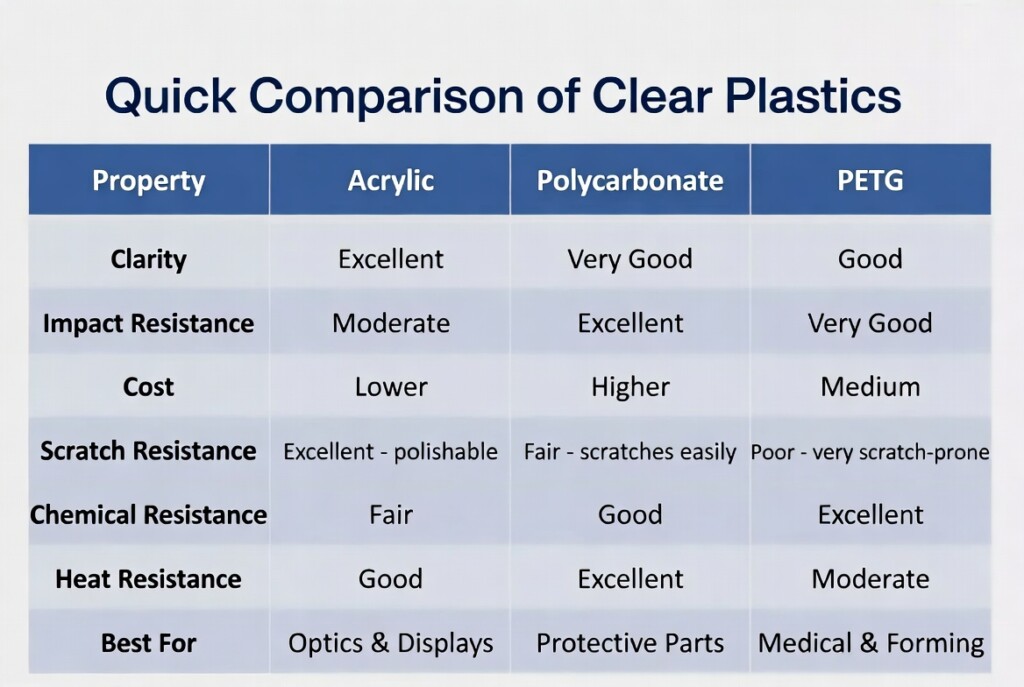
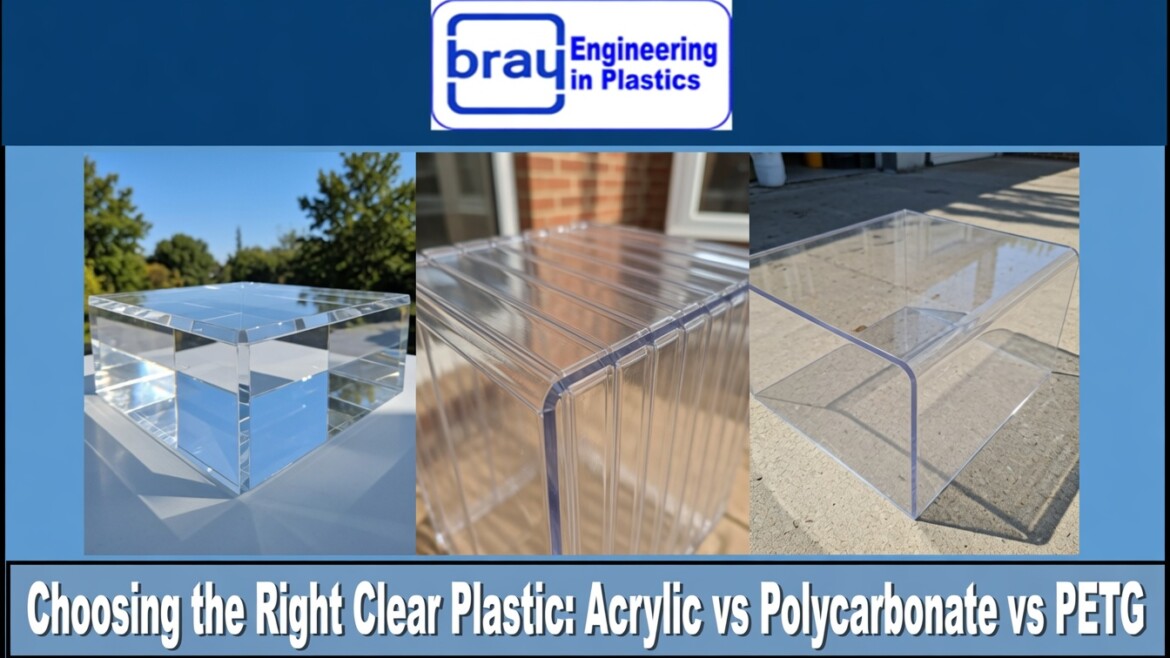
At Bray Plastics, customers often ask us for guidance on selecting the best clear plastic material for their components. Whether you need high optical clarity for displays, impact resistance for protective covers, or chemical resistance for medical/scientific use, the three most common options are Acrylic , Polycarbonate, and PETG.
Here’s a clear breakdown to help you choose the right one for your project.
Acrylic (PMMA / Perspex®)
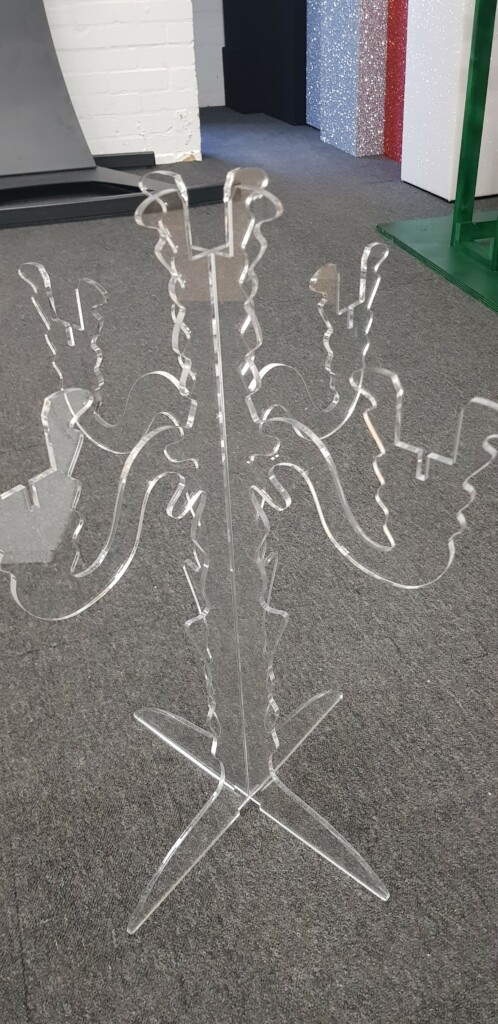
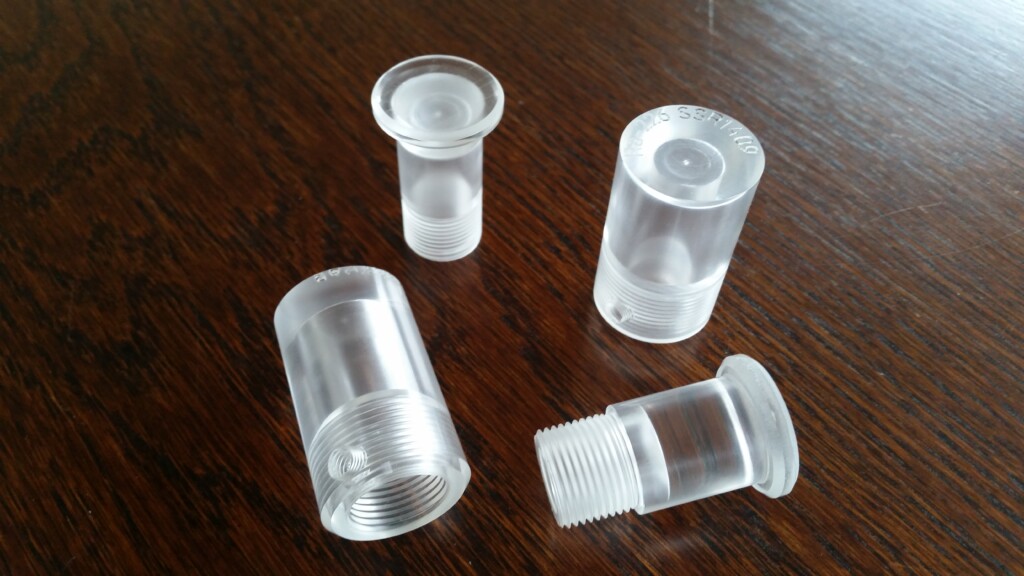
Acrylic is the go-to material when crystal-clear appearance and a premium finish are priorities. It offers glass-like transparency with superior light transmission.
Key Advantages:
- Excellent optical clarity (better than glass in many cases)
- High gloss surface and easy to polish
- Good UV resistance (especially with additives)
- Lightweight and relatively cost-effective
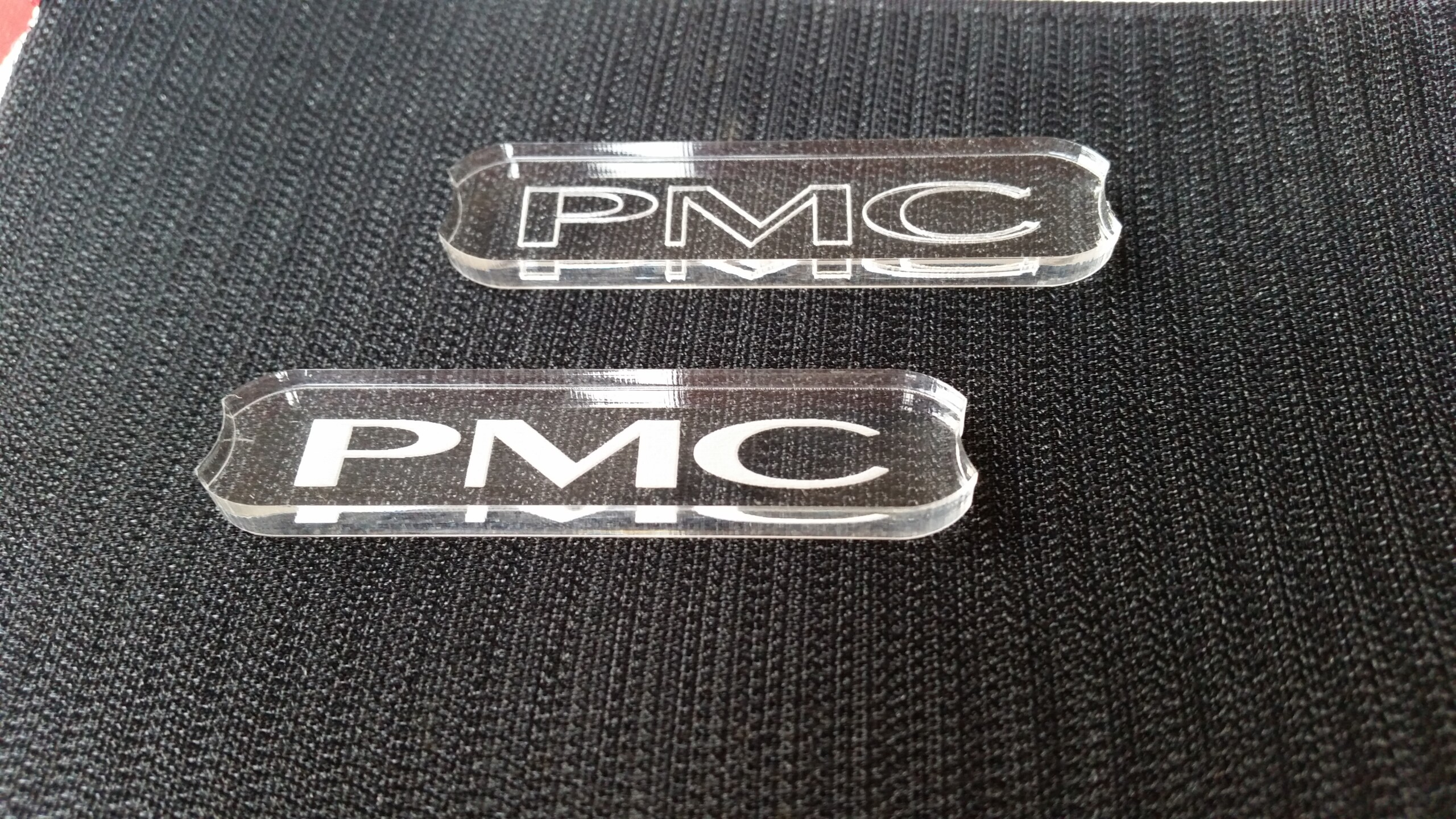
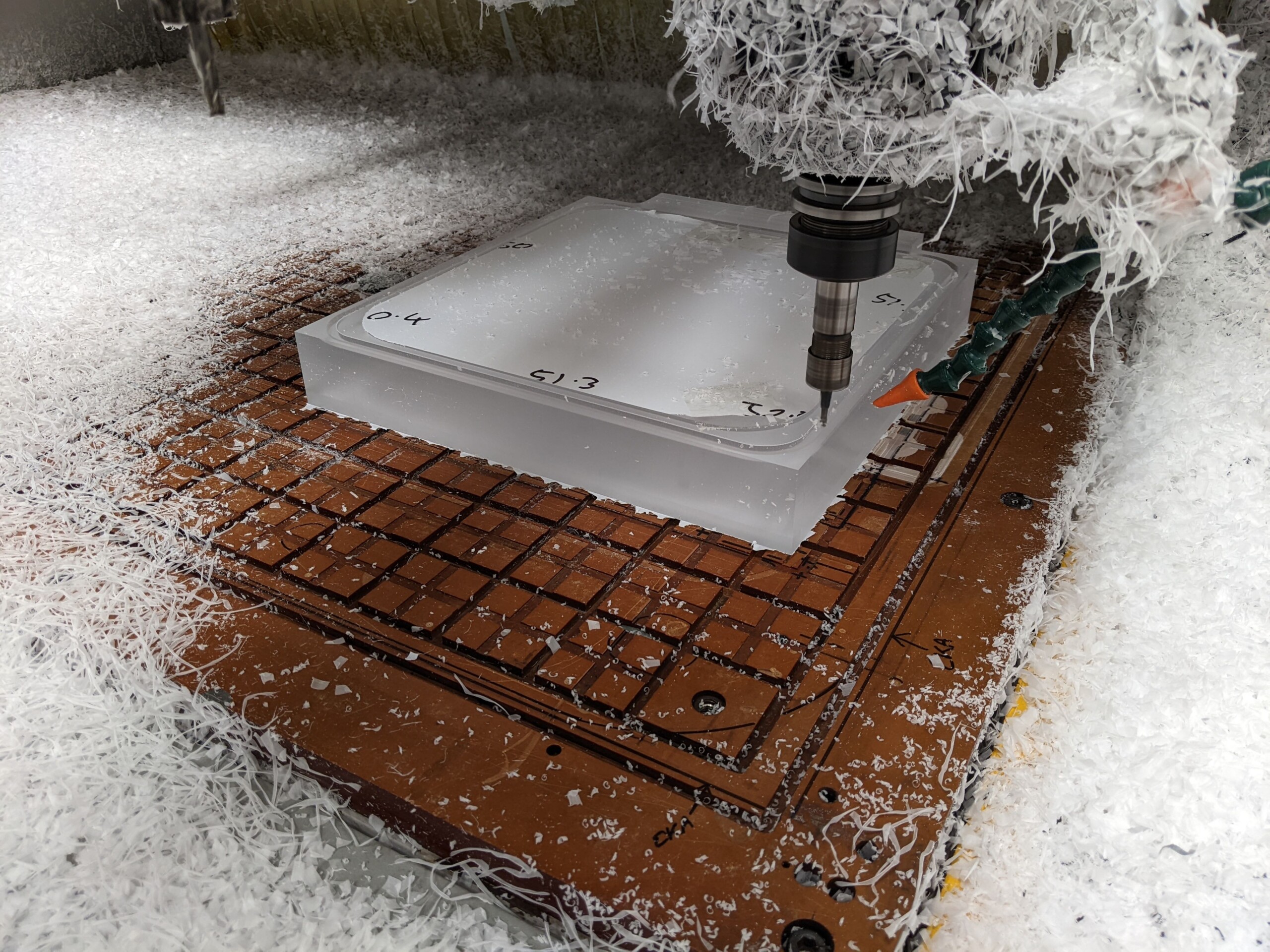
- Easy to laser cut, machine, and fabricate
- Acrylic offers the best scratch resistance of the three and light scratches can often be polished out.
Limitations:
- More brittle than the alternatives — can crack or shatter under high impact
- Lower impact strength
Best Applications:
- Display cases, signage, point-of-sale displays
- Optical components, windows, and protective shields
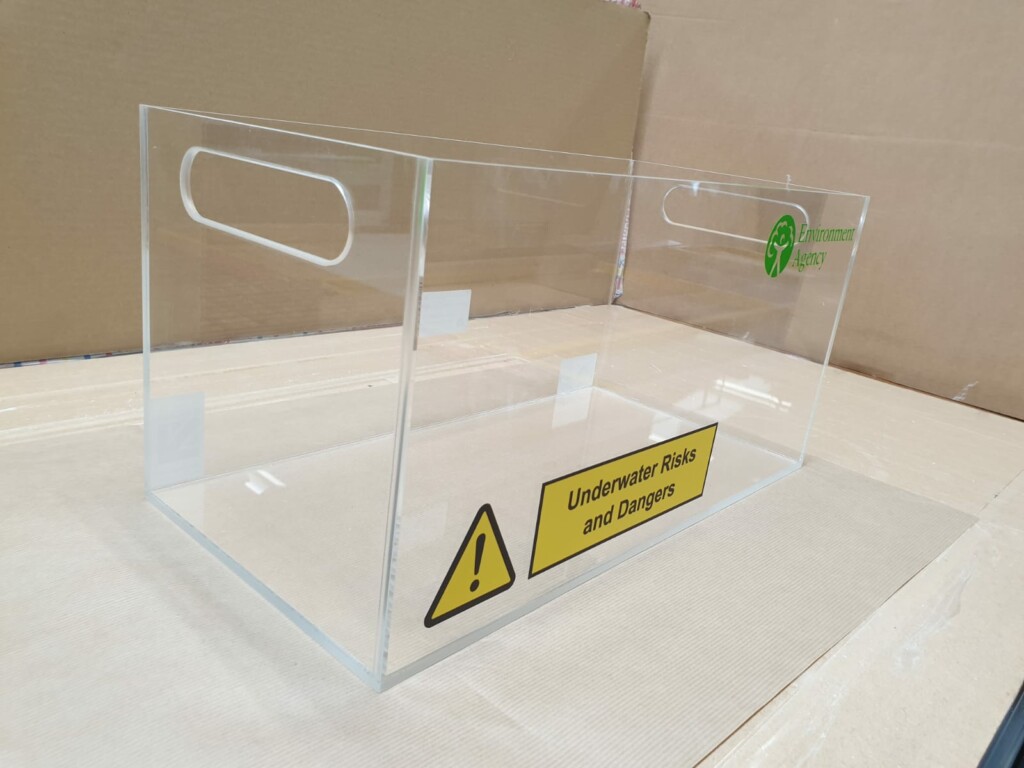
- Aquarium tanks and museum displays
- Lighting diffusers
Polycarbonate
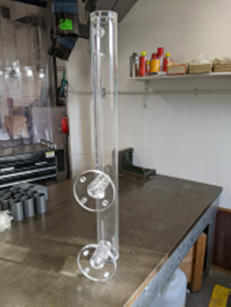
If strength and durability are critical, polycarbonate is often the winner. It is virtually unbreakable and maintains good clarity.
Key Advantages:
- Extremely high impact resistance (250 times stronger than glass)
- Good clarity (though slightly less transparent than acrylic)
- Wide temperature tolerance
- Excellent for outdoor or high-wear environments
- Can be cold-formed or thermoformed
Limitations:
- May yellow over long periods outdoors without UV protection
- Higher cost than acrylic
- Polycarbonate is more prone to scratching but can be improved with hard coatings
Best Applications:
- Machine guards and safety enclosures
- Anti-vandal or security glazing
- Protective covers for electronics or instruments
- Automotive and aerospace components
- Our popular custom anti-drone housings
PETG (Polyethylene Terephthalate Glycol)
PETG strikes a nice balance between clarity, toughness, and ease of fabrication. It is a food-safe and recyclable option that performs well in many forming processes.
Key Advantages:
- Very good impact strength (tougher than acrylic)
- Excellent chemical resistance
- Food-safe and medical-grade options available
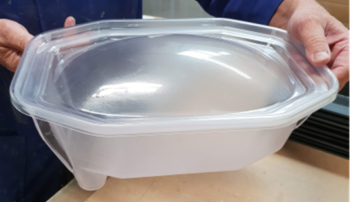
- Highly formable — great for vacuum forming and bending
- Good clarity with a smooth finish
- More recyclable than many alternatives
Limitations:
- Lower heat resistance than polycarbonate
- Generally more expensive than acrylic
- PETG scratches quite easily and is generally not polishable.
Best Applications:
- Medical device components and trays
- Food processing or laboratory equipment
- Prototype enclosures and custom packaging
- Retail displays requiring forming
How We Help You Choose at Bray Plastics
Every project is different. When you bring us your drawings or ideas, we consider required clarity, mechanical stresses, operating environment, fabrication method, budget and volume. We stock and machine all three materials regularly and can advise on the most cost-effective solution. By choosing Bray Plastics, you’re partnering with a company that values both precision engineering and environmental responsibility.
Thanks!
The Employee Ownership Team at Bray Plastics